
This lake holds a fifth of Earth's fresh water. Lake Baikal, in Siberia, is the deepest lake on the planet — and the oldest, at twenty-five million years. In winter it seals itself under ice so clear you can see down into the blue dark beneath your boots. And under that ice swims the world's only freshwater seal, found nowhere else on Earth. Case File #100 is a lake that behaves like an ocean that got lost inland.
Watch the investigation
The Lake Baikal Short — "The Deepest Lake on Earth" — is live on the channel.
Watch on YouTubeA fifth of all fresh water
Every fact about Baikal is a superlative wearing a disguise. Deepest lake on Earth — that part everyone knows. But the number that stops people is the volume: about a fifth of all the fresh surface water on the planet sits in this one Siberian lake. Not a fifth of Russia's water. A fifth of Earth's. And it has been collecting for twenty-five million years, making Baikal not just the deepest lake but the oldest — a body of water that was already ancient when the first humans were learning to make fire.
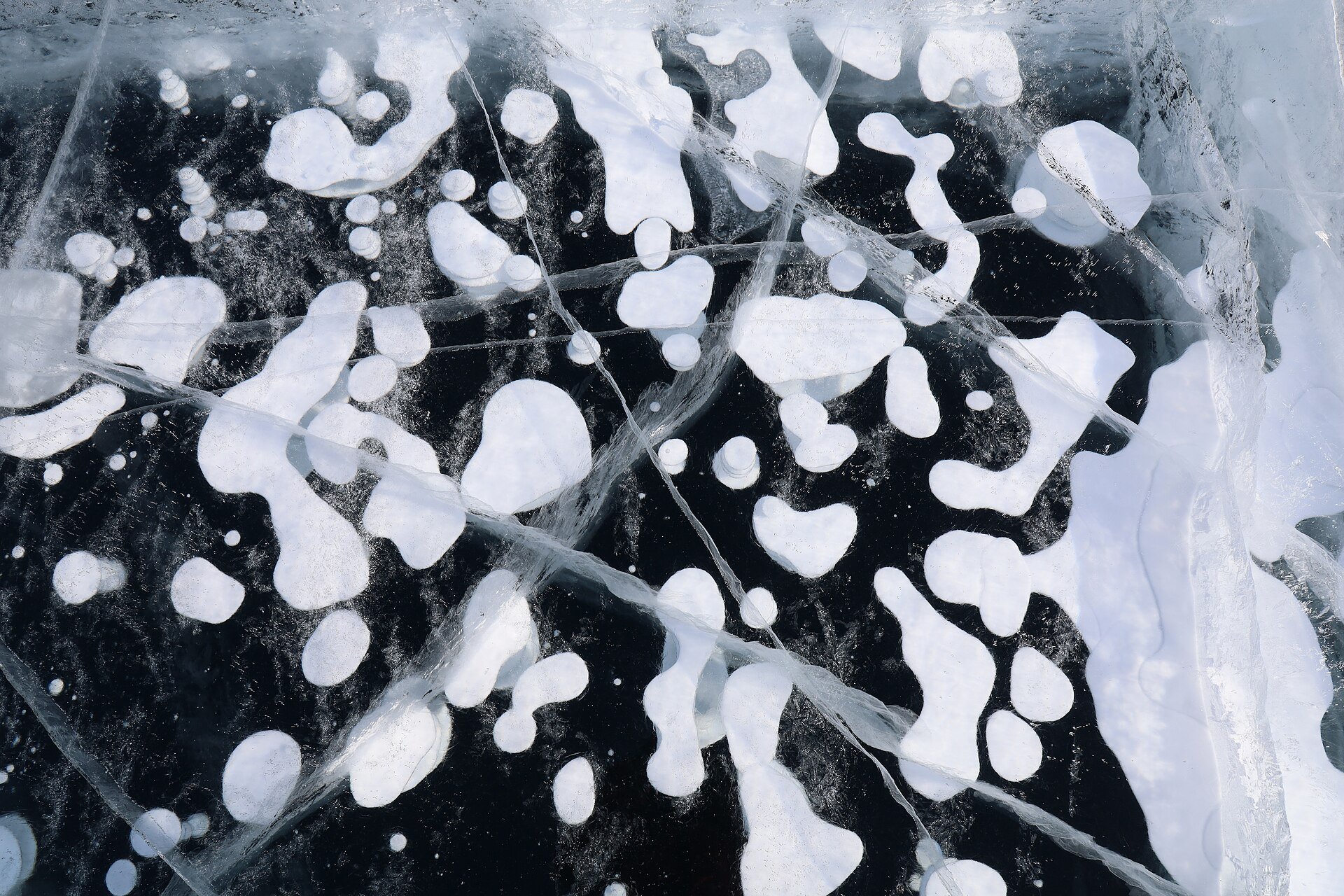
Key facts — Case File #100
- The place: Lake Baikal, Siberia, Russia — the deepest lake on Earth.
- The water: about a fifth of Earth's fresh surface water in a single lake.
- The age: twenty-five million years — the oldest lake on the planet.
- The ice: in winter the surface freezes into famously clear ice over deep blue water.
- The seal: the nerpa — the world's only freshwater seal, found nowhere else on Earth.
The seal that lives nowhere else
Seals are ocean animals. Every seal species on Earth hunts in salt water — except one. The Baikal seal, the nerpa, lives its entire life in fresh water, hundreds of kilometres from the nearest sea, diving beneath the winter ice of a lake that froze around its ancestors. How seals arrived in a landlocked Siberian lake at all is one of the case's quiet mysteries; that they stayed is a fact you can watch breathing through holes in the ice. One lake, holding a fifth of the world's fresh water, an age of twenty-five million years, and a seal that exists in that water and no other. Would YOU walk on its ice?
Frequently asked questions
How much of Earth's fresh water is in Lake Baikal?
About a fifth of it. One Siberian lake holds roughly twenty percent of all the fresh surface water on the planet — more than any other lake anywhere.
How old is Lake Baikal?
Around twenty-five million years — the oldest lake on Earth as well as the deepest. Most lakes fill in and vanish in a geological blink; Baikal has been deepening instead.
What is the Baikal seal?
The nerpa — the world's only truly freshwater seal, found nowhere else on Earth. It lives its whole life in the lake, hunting under the winter ice.
Keep exploring
- 🦭 Grey Seal: The Baby That Triples Its Weight — Baikal's ocean-going cousins
- 🏔️ Machu Picchu: The City the Conquerors Never Found
- 🗿 Easter Island — giant stone heads on the loneliest island on Earth